

IPR BLOG
The policy of the month is a chapter dedicated to who is inter step in researching current policies without necessarily providing an in depth analysis and critical review. This is a chapter which will be published on the IE IPR blog and requires writers to produce two small pieces of writing (500 words) per semester on a current policy under discussion.
LATEST
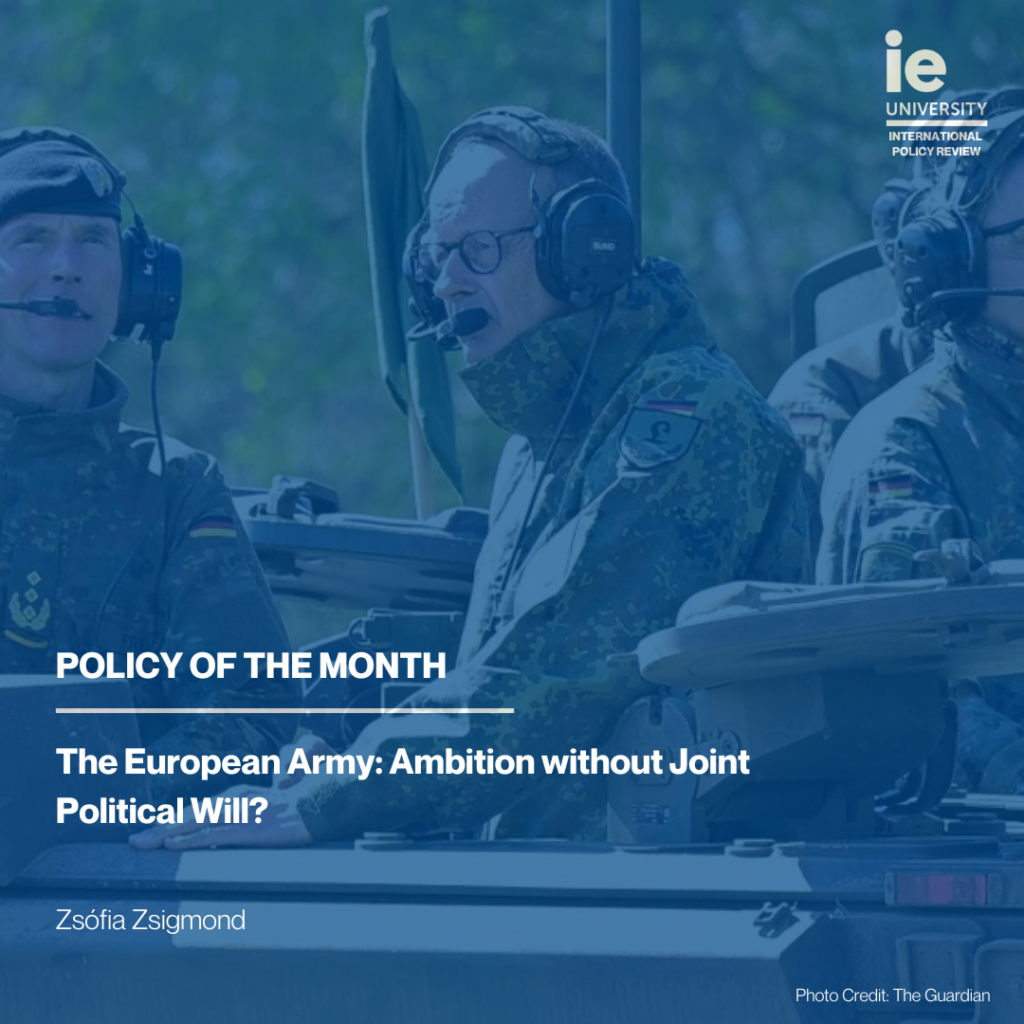
Zsófia Zsigmond
The European Army: Ambition without Joint Political Will?
Konrad Adenauer once said, “What does Europe live on? It lives on the grace of the United States. That will not last forever either. The day will come, and must come, when Europe can help itself and stand on its own two feet.”
In a geopolitical landscape shaped by the war in Ukraine, rising global terrorism, and persistent migration pressures, the European Union is facing a new era of security uncertainty. Long reliant on transatlantic protection, Europe is increasingly confronted with the limits of its strategic independence. As questions grow over the reliability of external guarantees, the idea of a common European army has re-emerged at the centre of political and academic debate.
This article examines whether such a force is truly feasible by analysing the European Union’s legal framework, political constraints, and existing political capabilities. It compares two possible paths: strengthening the European pillar within NATO or building a fully autonomous defence structure. It argues that although the foundations for a common army already exist, the absence of political unity and operational cohesion continues to block its realization. In this context, a gradual move toward limited strategic autonomy appears to be the most realistic first step.
PREVIOUS POSTS
The End of Illiberal Democracy? Orbán’s Governance Model and the Path to Democratic Restoration in Hungary
Daria Tymchenko
Tax Cuts vs Social Protection: The Limits of Fiscal Coherence in Public Law 119-21
Olivia Sablayrolles
Resistance, Neoliberalism, and Democracy: Lessons from Bangladesh’s 2024 Student Uprisings
Isabela Bortolotto Rodacki
Morocco’s Diplomatic Leverage: Influencing Relations with Spain and the EU
Giulianna Chireno
From Refuge to Fear: The Trump Administration’s Revocation of TPS for Venezuelans
Albany Avila

Decolonizing Foreign Aid in the Trump Era: Towards South-South Cooperation
Omobolaji Olalere
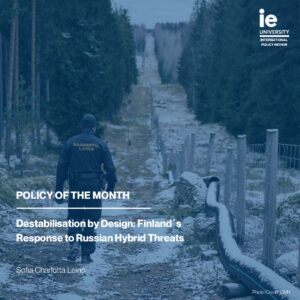
Destabilisation by Design: Finland’s Response to Russian Hybrid Threats
Sofia Charlotta Leino
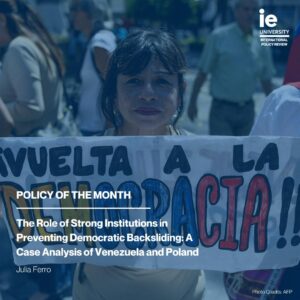
Do strong institutions discourage democratic backsliding? Case-analysis of Venezuela and Poland
Julia Ferro
On the topic of The Situation in the Sahel Region for the Security Council of
IEU-MUN
Lorenzo Rosania

Choking the Silicon Dragon: The Geopolitical Effects of U.S. Restrictions on China’s Chip Industry
Stanislav Vynnytskyi
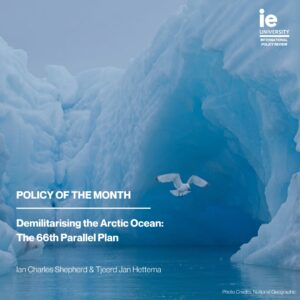
Demilitarising the Arctic Ocean: The 66th Parallel Plan
Ian Charles Shepherd & Tjeerd Jan Hettema
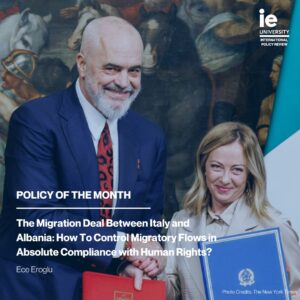
The Migration Deal Between Italy and Albania: How To Control Migratory Flows in Absolute Compliance with Human Rights?
Ece Eroglu
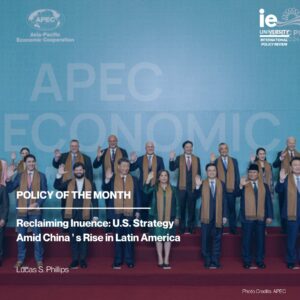
Reclaiming Influence: U.S. Strategy Amid China’s Rise in Latin America
Lucas S. Phillips
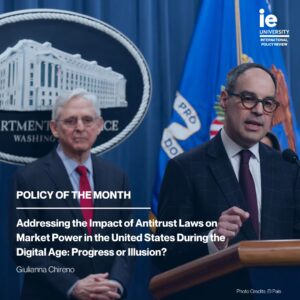
Addressing the Impact of Antitrust Laws on Market Power in the United States During the Digital Age: Progress or Illusion?
Giulianna Chireno
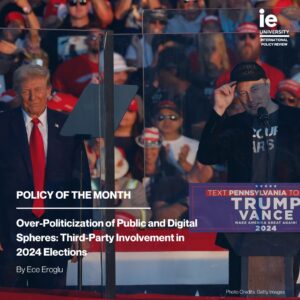
Over-Politicization of Public and Digital Spheres: Third-Party Involvement in 2024 Elections
Ece Eroglu
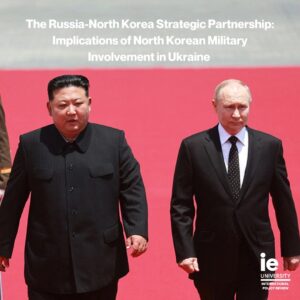
The Russia-North Korea Strategic Partnership: Implications of North Korean Military Involvement in Ukraine
Stanislav Vynnytskyi
CONNECT
